
A group representing Michigan marijuana businesses is endorsing the Republican candidate for governor due to his pledge to cut taxes on the industry, but a Democratic senator says the GOP politician can’t be trusted to follow through in light of his track record of opposing cannabis reform.
Last week, the Michigan Cannabis Industry Association (MiCIA) said it supports John James as the state’s next governor, citing his promise to repeal or significantly roll back a new 24 percent wholesale cannabis tax that was enacted by Gov. Gretchen Whitmer (D) and the Democratic-controlled legislature to raise funds for road and bridge repairs.
Sen. Jeff Irwin (D), however, told Marijuana Moment that James “has not been a friend to legalization”—citing comments from 2018 when he said he would “personally be voting no” on the ballot initiative that ultimately legalized recreational cannabis in the state that year.
While James also said at the time that “should it pass, I will respect the will of the voters,” Irwin argued that “actions speak louder than words, so I don’t believe these thin campaign promises.”
James “has not supported our efforts in Congress and is in lock step with law enforcement lobby groups that oppose legalization and access,” Irwin told Marijuana Moment.
No major cannabis-related votes have taken place under the U.S. House’s Republican majority during James’s times serving in the chamber since 2023. He hasn’t sponsored or cosponsored any bills to legalize marijuana under federal law or respect state laws on the issue, but he did sign on as a supporter of the Hemp Enforcement, Modernization, and Protection Act, which would federally regulate hemp-derived cannabinoid products.
“That is his record of action,” Irwin said. “No assistance for the cause” of broader marijuana reform.
“If he is making promises to regarding the 24 percent wholesale tax, but is also making promises to road builders, local governments and police groups, which promises do you think he will keep?” the Democratic senator said. “Ask him if he plans to cut road funds or how else will he replace these funds. I suspect he is counting on nothing passing; and, if it looks like it might, he could always kill the bill behind the scenes.”
Irwin argued that while James has “not been an advocate in Congress,” his running mate for lieutenant governor, state Rep. Jay DeBoyer (R) “has been even worse on cannabis issues.”
DeBoyer filed legislation this session to cut the number of Michigan medical cannabis caregivers can grow for patients in half, from 12 to six, while limiting the numbers of caregiver registrations per physical address to just one.
Irwin acknowledged to Marijuana Moment that he is “mad at Governor Whitmer for signing this new tax.”
James’s Democratic opponent for governor, Jocelyn Benson, meanwhile, has not taken a clear stance on the cannabis tax.
It’s a “new and emerging issue,” she said this month.
“There’s a lot of data yet to be determined on that particular tax… We need to know where the money is going and also the impact that it’s had on the industry,” she said. “At the same time, I want to make sure that any changes we are making to our tax code do not come at the expense of driving up costs for Michiganders.”
James, for his part, said in a plank of his “Freedom Agenda” unveiled last month that the cannabis tax “drives up prices, gives illegal operators a competitive edge, and has already fallen far short of revenue projections.”
“As Governor, I will work to repeal or sharply reduce it,” he said.
A Republican state representative recently filed legislation that would reverse the cannabis wholesale tax.
The tax was projected by state officials to raise $420 million, with the revenue aimed at funding road repairs and construction, though Rep. James DeSana (R), the sponsor of the repeal bill, says it is generating in less than half of what its supporters anticipated.
The levy has been challenged in court through lawsuits filed by the cannabis industry.
Meanwhile, earlier this year, the Michigan Cannabis Regulatory Agency announced it is distributing nearly $100 million in marijuana tax revenue to over 300 local governments and tribes across the state. The money is intended to support various local infrastructure, education and other programs and services in 313 municipalities, counties and tribal areas.
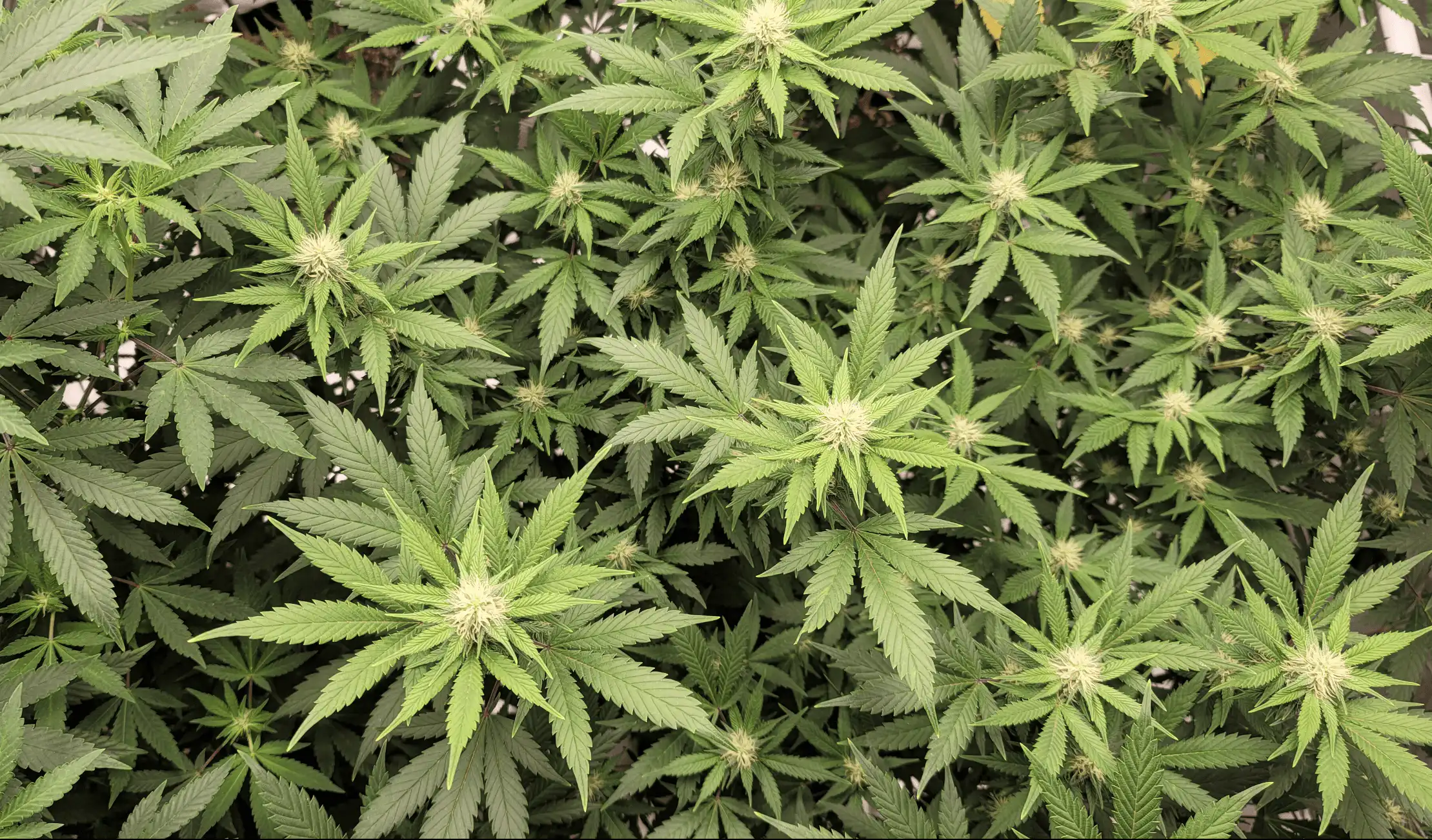
Photo courtesy of Mike Latimer.
