

“These products have the potential to reshape how Americans approach wellness by offering accessible, plant-based alternatives that complement traditional care, but realizing that potential will require more than enforcement discretion.”
By Thomas Winstanley, Edibles.com
For years, the hemp-derived CBD market has operated in a paradox: federally legal, widely available and increasingly normalized—yet lacking a clear regulatory framework that gives consumers confidence and businesses stability. The Food and Drug Administration’s (FDA) latest move to exercise enforcement discretion for certain CBD products is a meaningful step forward, underscoring how incomplete and fragile the current system remains.
At its core, FDA’s posture acknowledges that hemp-derived cannabinoids are part of Americans’ daily wellness routines. By signaling that it does not intend to enforce certain provisions of the Federal Food, Drug and Cosmetic Act against qualifying orally administered CBD products, the agency is recognizing a practical path forward, and one that is rooted in a supplement-style framework with guardrails around safety, labeling and marketing.
That matters. For the first time in decades, cannabinoids are being discussed in terms that resemble the Dietary Supplement Health and Education Act (DSHEA) of 1994. The implication is a viable lane for CBD products that aligns with how consumers already engage with wellness through vitamins, nutraceuticals and other over-the-counter formats with established expectations around dosing, transparency and quality.
But let’s be clear about what this is and what it is not.
This is not full regulatory approval. It does not establish CBD as Generally Recognized As Safe (GRAS), nor does it create durable protections for the broader market. Instead, it reflects a policy of selective enforcement under narrow conditions. Products must meet supplement-style standards, avoid contamination, not appeal to children and be distributed within a physician-directed, Medicare-related framework. That last point is where the gap becomes most obvious.
FDA’s position is confined to a highly specific use case tied to healthcare programs. It does little to address the far larger and more dynamic reality of a national consumer market spanning retail, e-commerce and direct-to-consumer platforms. This is where millions of Americans already access CBD and where businesses have built entire categories in the absence of federal clarity.
The industry is no longer a fringe experiment. Since the 2018 Farm Bill, hemp-derived products have grown into a multi-billion-dollar sector, expanding access to cannabinoids in ways that state-regulated cannabis markets cannot. In doing so, the category has helped normalize THC and reshape public perception, bringing new consumers into the fold and broadening acceptance of plant-based alternatives for wellness.
Consumers are integrating these products into their daily lives. Sleep support, stress management, recovery and general well-being are now core use cases. From small businesses to national platforms, companies have also invested heavily in building responsible, compliant offerings to meet that demand. Yet the rules governing this market remain fragmented and, at times, contradictory.
Federal agencies continue to send mixed signals. States have implemented a patchwork of inconsistent standards. Responsible operators like those investing in testing, labeling and compliance are forced to compete alongside bad actors exploiting regulatory gray areas. The result is a market that functions, but not efficiently and certainly not safely at scale. This is why FDA’s move, while encouraging, falls short of a comprehensive solution.
Selective enforcement is not regulation. It offers temporary flexibility, not long-term certainty. It signals tolerance, not endorsement. Without congressional action, the entire category remains exposed to sudden policy shifts that can disrupt supply chains, deter investment and erode consumer trust.
In fact, recent legislative developments risk moving the industry backward. The narrowing of the federal definition of hemp under the latest appropriations framework introduces new ambiguity around product eligibility, particularly for cannabinoids that fall outside traditional interpretations.
Without a clear federal standard, we risk creating an outcome worse than the problem policymakers are trying to solve. Overly restrictive or unclear rules will not eliminate demand. They will simply redirect it, potentially toward unregulated or imported products that lack basic safety oversight. That is a genuine consumer protection risk.
At the same time, the U.S. stands to dismantle a largely domestic supply chain just as it reaches meaningful scale, undermining farmers, manufacturers and retailers who have built this industry responsibly. None of this is to dismiss FDA’s progress.
The agency deserves credit for taking a pragmatic step forward. Its emphasis on contamination-free products, responsible marketing and clear labeling reflects principles the entire industry should support. These are not controversial standards. They are baseline expectations. However, they must be applied broadly, not selectively.
FDA’s latest action signals growing alignment within the executive branch and among lawmakers that a federal framework is needed. It reflects openness to integrating cannabinoids into established regulatory systems. It also reinforces the importance of safety and oversight. What it does not do is solve the problem.
Only Congress can provide the clarity this market requires. A comprehensive federal framework that establishes consistent standards for manufacturing, labeling, distribution and access is needed. This step is essential to unlocking the full potential of hemp-derived cannabinoids.
The opportunity is significant. These products have the potential to reshape how Americans approach wellness by offering accessible, plant-based alternatives that complement traditional care, but realizing that potential will require more than enforcement discretion. It will require policy. Until then, FDA’s shift is a step in the right direction. It is not the destination.
Thomas Winstanley is the executive vice president and general manager of Edibles.com®, an innovative and trustworthy marketplace of high-quality THC products that offers convenient delivery direct to the consumer.
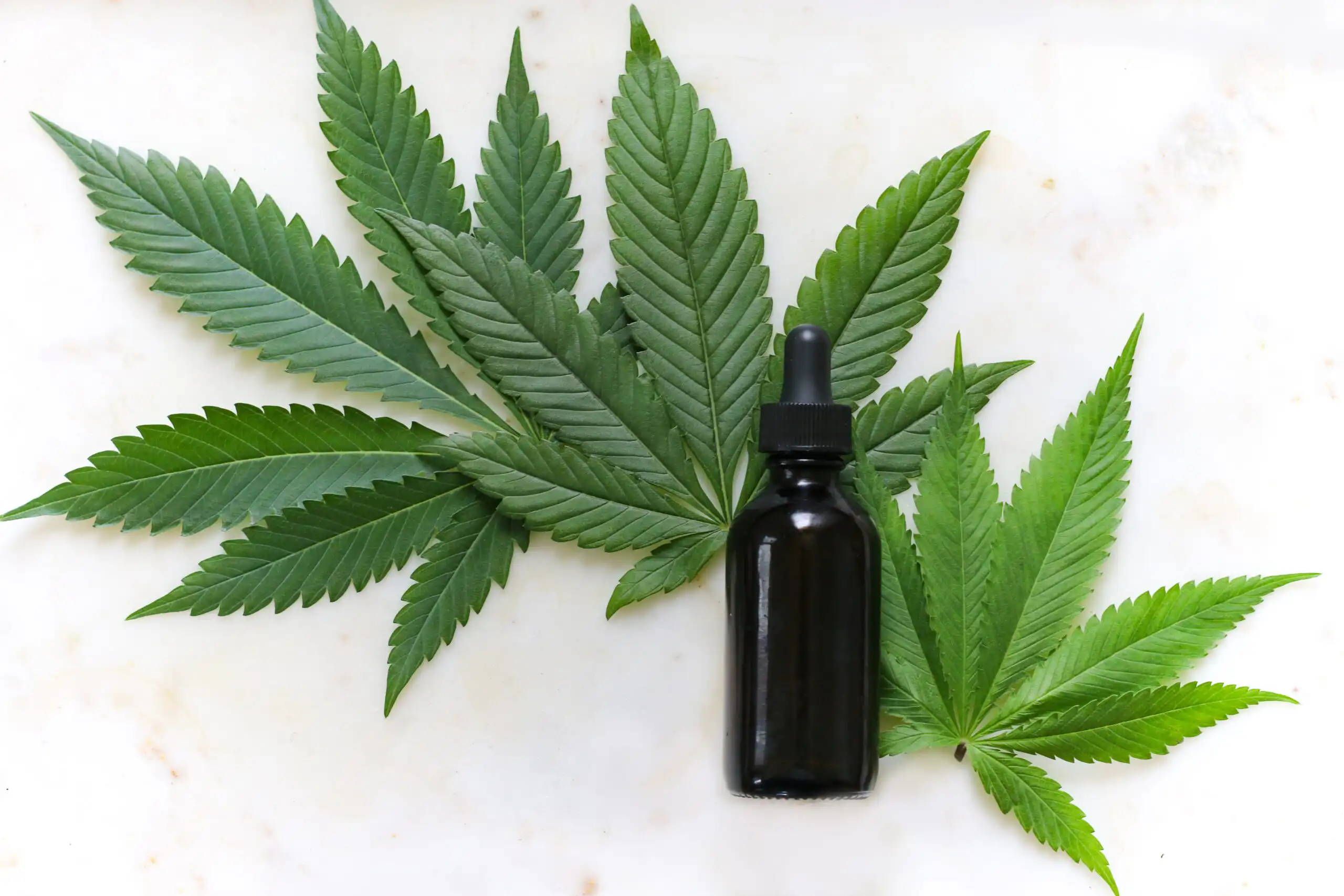
Photo courtesy of Kimzy Nanney.
