
Over the last several years, I have built a cannabis-focused media network with an audience of over 20 million followers across platforms, while also growing an e-commerce business that has processed over 125,000 orders and has become one of the most-reviewed shops in its category.
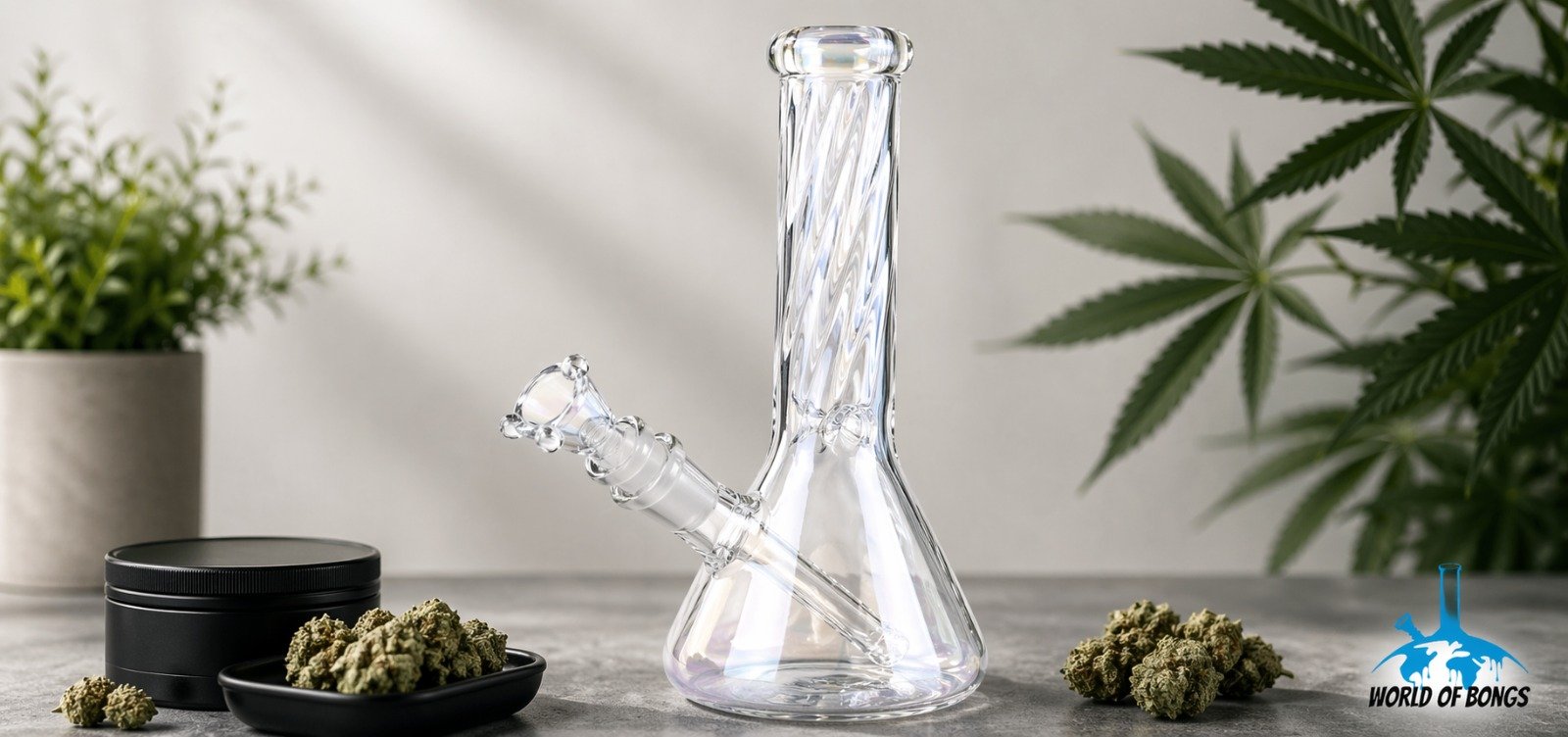
Highlife Media was founded in Switzerland in 2016. After years of promoting clients in the cannabis industry, building audiences, testing content, and learning how restricted platforms behave in practice, my team and I entered e-commerce ourselves. In 2021 we launched our own online headshop called World of Bongs. This shop was not built on assumptions. It was built on years of experience in cannabis media, traffic generation, audience building, and platform risk.
That background matters because if you are selling products like bongs, dab rigs, or vaporizers, you are not operating like a typical e-commerce brand. You are building in an environment where advertising access is limited, payment processing is more expensive, compliance rules change constantly, and entire growth channels can disappear overnight. Scaling in this category is less about chasing a single tactic and more about building a resilient system that performs under pressure.
Building with experience, not guesswork
One of the biggest mistakes cannabis brands make is approaching growth like any other consumer category. In reality, the playbook is different from day one.
This became clear early on through years of operating in the space. Through Highlife Media, my team and I promoted brands, built niche communities, worked through platform regulations, and saw firsthand what drives results and what gets shut down. That provided a much clearer understanding before launching an e-commerce operation.
Instead of relying on a single channel, World of Bongs was built around a larger system. SEO was a core pillar from the beginning, but it was never treated in isolation. The same applies to social traffic, influencer marketing, affiliate partnerships, email capture, backlink building, and branding. The goal was not to find one growth hack, but to create a structure in which every channel reinforces the others.
Social media has also evolved beyond a traffic source. It became a feedback engine. By operating large cannabis-focused pages and communities, it is possible to see which products drive engagement, how audiences respond to different formats, and where trends are headed. In a category where direct ad testing is limited, that kind of real-time insight becomes a significant advantage.
Platform restrictions are evolving, but still unpredictable
Anyone operating in cannabis or accessories knows that platform compliance is rarely straightforward. A brand may be fully compliant from a legal standpoint and still face constant friction online.
Meta has become slightly more flexible in certain areas, especially around accessories, but the environment remains sensitive. Small changes in wording, visuals, or landing pages can determine whether content performs or gets flagged. TikTok remains highly restrictive. YouTube enforces strict policies, particularly around monetization and promotional content. Google offers strong opportunities through search, but brands still need to navigate keyword and policy limitations carefully. X is generally more lenient, making it one of the more flexible platforms for cannabis-adjacent brands.
The bigger issue is inconsistency. Enforcement is often algorithmic, meaning results can vary across accounts and over time. That creates uncertainty and makes it difficult to rely on any single channel.
Experience plays a key role here. Operating across large media networks provides continuous insight into how content performs and where the limits lie, making it easier to adjust quickly as platform behavior changes.
Why audience ownership matters
Because paid acquisition is limited, cannabis brands need to rethink what they actually own.
Traffic tied to a single platform or account is too risky. A more stable approach focuses on assets that remain under your control, including search visibility, email lists, SMS subscribers, affiliate relationships, brand recognition, and repeat visitors.
A common pattern is brands focusing too heavily on one platform, often Instagram, running a few influencer campaigns, and then losing momentum when results do not scale.
Long-term growth requires a broader presence. This includes platforms like Facebook, Instagram, X, TikTok, and YouTube, each used with a clear role. The key is diversification and consistency, not dependence.
SEO as a primary growth driver
For cannabis accessories brands, SEO remains one of the most reliable and scalable acquisition channels.
Strong SEO is not just about publishing content. It results from multiple factors working together, including on-page optimization, site structure, category targeting, content quality, backlinks, brand searches, and user behavior.
For product-focused businesses, ranking for high-intent category keywords is especially valuable, as these users are often closer to making a purchase.
SEO also does not operate in isolation. Social traffic, influencer exposure, brand awareness, and content distribution all contribute to stronger signals over time. It is part of a larger ecosystem.
Payment processing as a structural challenge
Payment infrastructure is one of the most overlooked aspects of scaling in this space.
Cannabis-adjacent businesses are often classified as high-risk merchants, leading to higher transaction fees, rolling reserves, stricter compliance checks, and the possibility of sudden account changes.
These conditions directly impact margins and operational stability. Even with strong traffic and conversion rates, unreliable payment processing can disrupt growth.
For that reason, experienced operators treat payments as a core part of their setup, with redundancy, monitoring, and flexibility built in from the start.
Email, SMS, and turning traffic into an asset
In a restricted environment, every visitor becomes more valuable.
Capturing user data is essential for building long-term relationships. Effective email and SMS strategies begin with strong entry points, such as clear offers and well-designed pop-ups, and continue with structured flows for retention and re-engagement.
Traffic from social media, influencers, affiliates, SEO, or other channels becomes significantly more valuable when it feeds into an owned audience.
Email marketing, in particular, remains one of the most important channels for retention and monetization, as it provides direct access to customers without platform dependency.
Influencer and affiliate marketing as distribution layers
Influencer marketing continues to play an important role in this category, but it works best as part of a wider system.
Isolated campaigns rarely create lasting impact. Consistent collaboration with creators, combined with strong content and optimized landing experiences, produces better long-term results.
Affiliate marketing adds another scalable layer by enabling partnerships with publishers and niche communities on a performance basis.
Both channels require structure. Commission models, partner selection, and consistency are key. When properly integrated, they become powerful distribution layers.
Strategy is where most brands fall short
In recent years, one pattern has become very clear: the biggest gap is not execution, but planning.
Many brands go live without a structured marketing strategy. Budgets are unclear, platforms are chosen randomly, content lacks direction, and influencer efforts are disconnected.
In a restricted industry, this approach rarely works.
The brands that perform best define a clear framework from the beginning. They determine investment levels, prioritize channels, define their brand positioning, and align content, influencers, affiliates, and distribution into a cohesive system.
Conclusion
Scaling a cannabis accessories brand is not about hacking the system. It is about understanding how all the pieces fit together.
Operating in this space requires a comprehensive understanding of platform limitations, payment infrastructure, SEO, content, email marketing, influencers, affiliates, and brand positioning.
Even if not every function is handled internally, it is essential to understand how each component works in order to evaluate performance and make informed decisions.
Most brands do not struggle due to lack of effort. They struggle because their setup is not aligned. The brands that succeed take a different approach. They think in systems, plan ahead, and build across multiple channels from the beginning. That way, when one channel slows down, the business continues to perform.
In a restricted market like cannabis, that structured approach is what enables long-term growth.
Note: Partner Content is published in collaboration with our promotional partners. Every article is reviewed for quality and relevance by our editors, but we do not endorse or evaluate the opinions expressed by guest contributors.
