

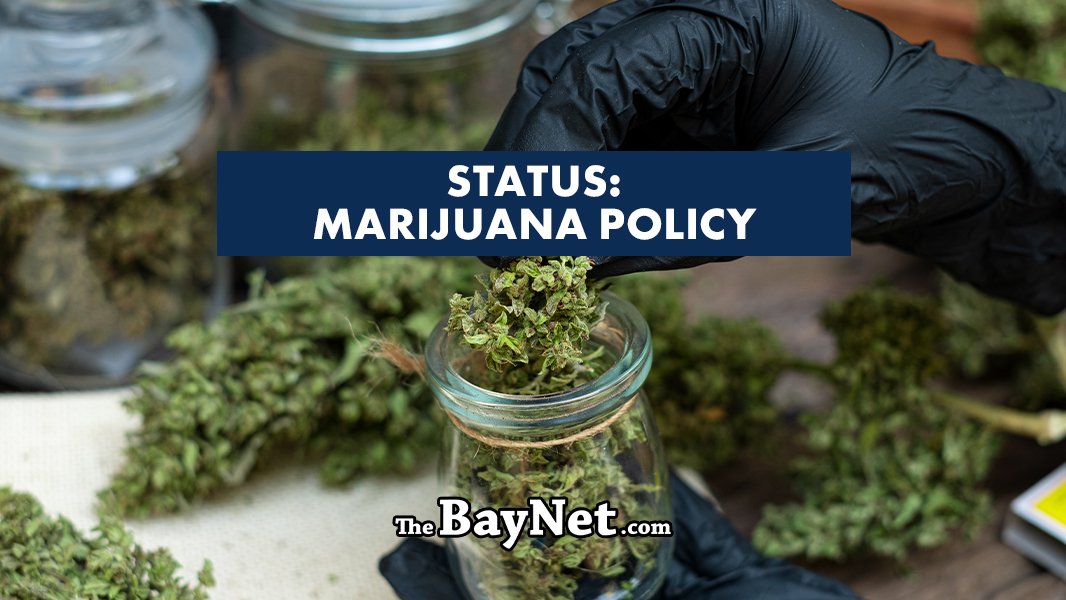
WASHINGTON — President Donald Trump has signaled a shift in federal marijuana policy, most recently by signing an executive order described as aiming to expedite the reclassification of marijuana and advancing broader reforms.
On Dec. 18, 2025, Trump signed an order directing federal agencies — led by Attorney General Pam Bondi — to move forward with reclassifying marijuana from its Schedule I status (“high potential for abuse, no accepted medical use”) to Schedule III, a classification for drugs considered to have medical use and lower abuse potential. This category includes substances such as ketamine and certain anabolic steroids.
The president said the move would help facilitate research on medical cannabis and suggested the change would have net positive impacts. However, the executive order does not legalize marijuana at the federal level, nor does it automatically alter existing criminal penalties under federal law.
What Marijuana Reclassification Means
Under current federal law, marijuana is classified as a Schedule I substance under the Controlled Substances Act, indicating high abuse potential, no accepted medical use and no lawful pathway for prescription, dispensing or administration.
While marijuana is legal under certain state laws — including in Maryland since 2023 — its sale, possession and use remain subject to federal restrictions. States that have legalized marijuana for medical or recreational use retain the authority to regulate within their borders, but federal enforcement can still apply, creating ongoing legal conflicts.
Federally reclassifying marijuana to Schedule III would:
- Officially recognize medical applications for marijuana in all states
- Reduce barriers for medical and CBD research, potentially allowing wider scientific study and new FDA-approved therapies
- Allow cannabis businesses to take advantage of previously barred federal tax deductions
What reclassification would not do:
True federal legalization — removing marijuana from the Controlled Substances Act entirely — would require Congressional action. To date, there are several bills under consideration in the 119th Congress that would accomplish this and related initiatives, but none have become law.
Where The Federal Process Currently Stands
The review of marijuana’s scheduling began under the Biden administration in 2022, when the Department of Health and Human Services recommended a move to Schedule III. However, the formal process stalled due to legal and administrative delays.
Trump’s executive order directs federal agencies to expedite that rescheduling process, but it still must follow formal rule-making and potential judicial review. Implementation timelines are not yet public, and legal challenges could yet delay or block parts of the process.
Political And Practical Implications
Supporters of rescheduling argue it could:
- Boost the nascent cannabis industry by reducing regulatory burdens and aligning federal rules more closely with many state laws.
- Facilitate broader medical research into cannabis and derived products.
- Reduce federal-state conflicts that complicate banking and interstate commerce.
Critics warn that:
- Rescheduling alone does not protect recreational users from federal prosecution in states that have legalized.
- The reclassification could imply to consumers that marijuana is safer than opponents believe, affecting public perception and potentially use rates.
Political dynamics remain complex, and congressional gridlock means any major federal legislative changes face uncertainty.
Implications For Maryland
Maryland has already legalized recreational and medical marijuana at the state level and observed notable policy changes:
- Gov. Wes Moore has issued broad pardons for low-level cannabis convictions, expanding expungement efforts.
- Annapolis has ended certain public-employee marijuana testing.
- Maryland’s cannabis market has generated tens of millions in tax revenue and equity-focused licensing has expanded business opportunities.
However, because marijuana remains illegal at the federal level:
- Marylanders still can face federal penalties on federal land or in federal court, even if in compliance with state law.
- Federal policy affects banking, interstate commerce, and research funding for businesses in Maryland. A shift to Schedule III could relieve some restrictions, especially for research institutions and companies, and might reduce tax burdens for licensed businesses.
A move to Schedule III could reduce some barriers for research institutions and cannabis businesses in Maryland, particularly regarding taxes and federal grants. If Congress eventually deschedules marijuana entirely, the state’s legal market could expand further, possibly including interstate commerce.
What Comes Next
Trump’s executive order initiates a rulemaking process that could reclassify marijuana under federal law. However, the order does not legalize marijuana, and agency leaders must still follow existing administrative procedures.
Separate legislative efforts in Congress could ultimately decide full legalization at the federal level, though how far in the future this could occur remains unclear. Meanwhile, state governments — including Maryland — continue to adapt their regulatory frameworks and enforcement priorities within their own borders.
Trump’s executive action represents a meaningful step toward loosening federal cannabis restrictions for research and medical purposes, but full federal legalization would require sustained political and legal effort.
