

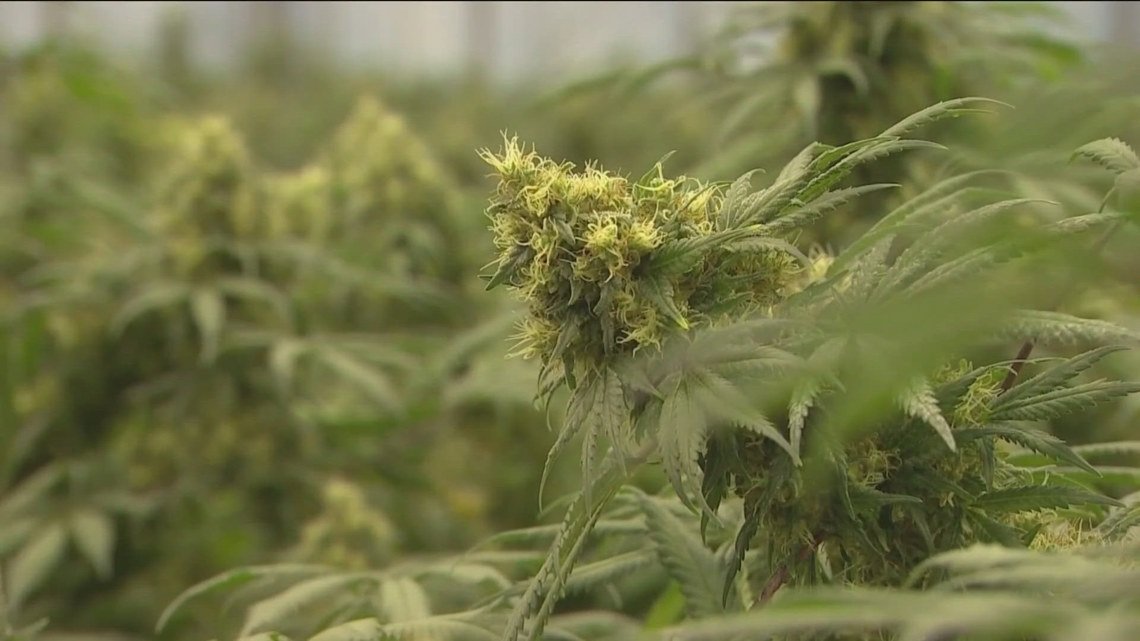
President Trump’s executive order to reclassify cannabis could boost medical research but may favor big cannabis companies over average consumers, raising debate.
SAN DIEGO — President Donald Trump has signed an executive order to move the process along to reclassify cannabis from a Schedule One drug to a Schedule Three controlled substance, a move that could expand medical marijuana and CBD research while providing doctors and patients with better data.
The reclassification moves cannabis from the same category as heroin to the same classification as drugs like Tylenol with codeine, testosterone, and ketamine. According to legal analyst Dan Eaton, Schedule One drugs have no recognized medical use and carry a high danger of dependency, while Schedule Three drugs are recognized as having some recognized legitimate medical use and a lower addiction risk than schedule one and two drugs.
“The purpose of this is to ease the way towards more research on the medicinal usages of marijuana and ultimately to allow for its greater use,” said Dan Eaton, legal analyst.
The executive order does not decriminalize cannabis, and critics could raise concerns about the process. “Opponents will probably argue that their, that the process for which the president is going about this is and maybe even the way the DEA moves this process along is somehow defective. Subsidively, they are going to argue that the president has the science wrong and that marijuana continues to be a dangerous drug that’s gateway drug to a whole bunch of other things, ” said Dan Eaton, legal analyst.
Cannabis journalist and San Diego State University Journalism professor Jackie Bryant cautioned that the reclassification may primarily benefit large cannabis companies rather than average consumers. “Truthfully, it doesn’t change much for the average person, there’s no justice provisions in here, equity provisions there’s nothing that would open it up or make it more accessible than what it already is for the average consumer,” said Jackie Bryant, cannabis journalist and SDSU professor.
However, Bryant noted that reclassification could allow the IRS tax provision 283 to no longer apply to cannabis companies. “The cannabis industry in California is very very economically strained and so making it easier for them to do business it should be better longer term for the health of the overall market,” said Jackie Bryant, cannabis journalist and SDSU professor.
The reclassification process is expected to take approximately one year to take effect, with several federal steps still ahead and needed.
