
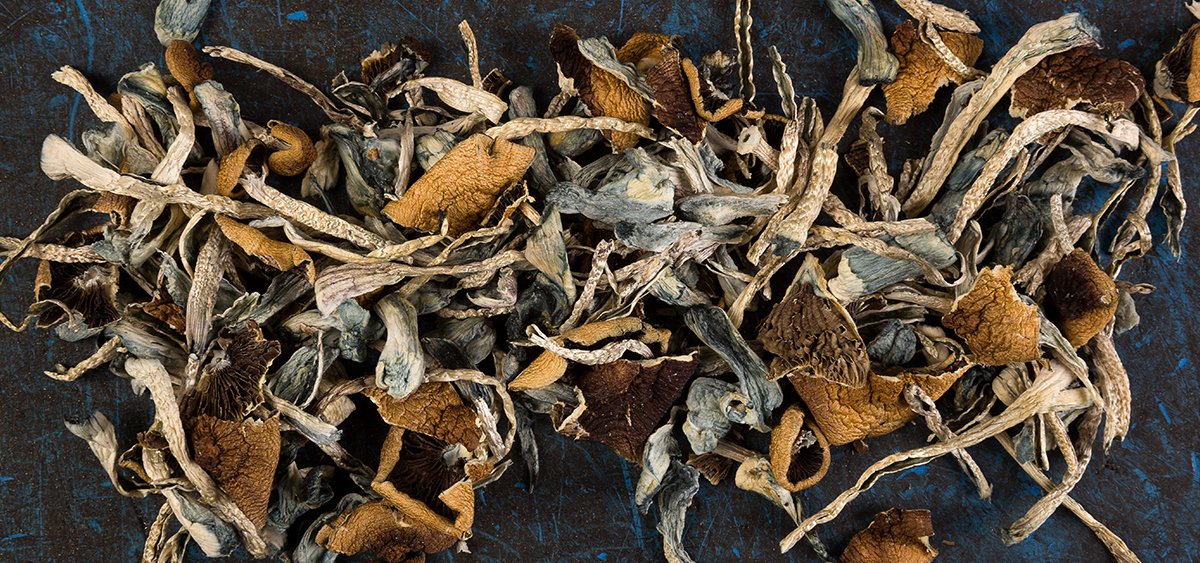
A recent mystery shopper study of 22 psilocybin centers licensed by the Oregon Health Authority determined that “Oregon’s regulated model appears clinically cautious, while facing high costs for clients, facilitators, and service centers that limit scalability.”
For the study, published in Health Affairs Scholar, anonymous callers participated in two waves of phone outreach following scripts portraying adults with depression. Callers were able to reach 15 of the 22 centers — none of the facilities would permit unsupervised consumption, and none would allow psilocybin dosing without prior psychiatric assessment.
“These interactions were not just, ‘Hey, give me mushrooms,’ and that’s it. These were thoughtful conversations where the facilitator engaged people, asked good questions, and tried to get as much information as possible. Facilitators pushed past a simple checklist to actually understand a caller’s history before making a recommendation for services.” — Leopoldo J. Cabassa, co-senior author of the study, in a statement
Meanwhile, another recent study found the state’s psilocybin program very popular among participants, with over 90% rating their experience as positive and nearly two-thirds calling it one of the most meaningful experiences of their lives.
Ganjapreneur: Offering daily insights since 2014, the leading digital business journal for cannabis industry professionals. Subscribe to the newsletter to join our community of over 40,000 ganjapreneurs.
